

International e‑commerce expansion: how to prepare your company for new markets
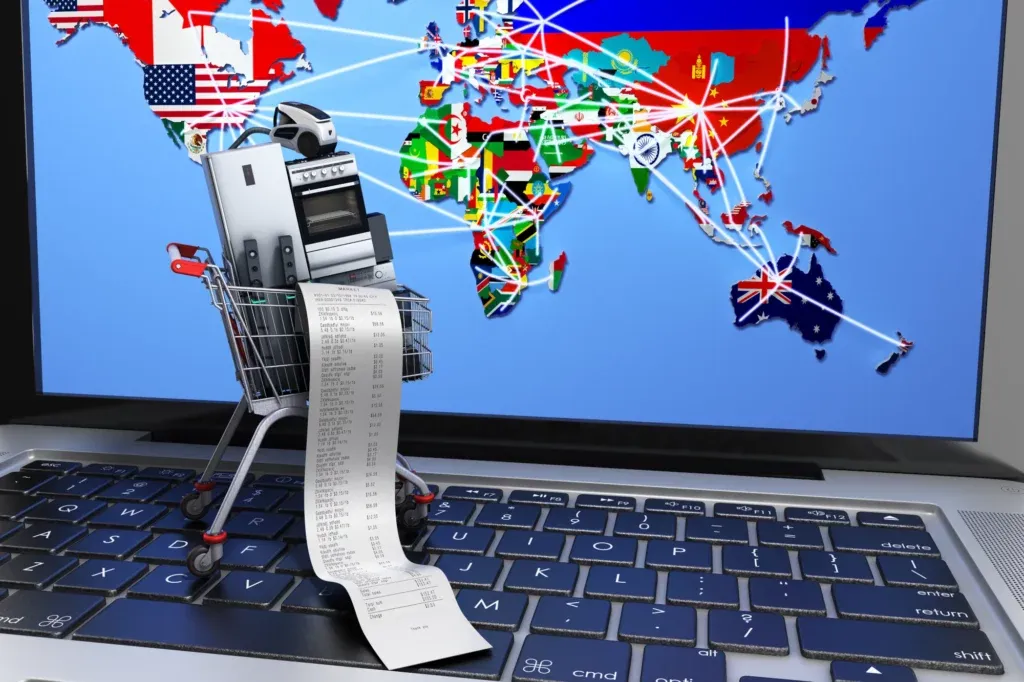
For many companies the home e‑commerce market, however dynamic, is becoming too small. Cross-border expansion is the natural next step - but rushing it and acting on assumptions is a straight road to a costly failure. Here is how to prepare your company for new markets so that you record a profit rather than a loss.
For many companies the home e‑commerce market, however dynamic, is becoming too small. The natural next step is international expansion, also known as cross-border e‑commerce. The prospect of winning customers in Germany, Czechia or Italy is extremely tempting and promises to multiply revenue. However, just as with introducing new technology, rushing in and acting on assumptions is a straight road to a costly failure. So how do you prepare your company for new markets so that you record a profit rather than a loss?
Expansion is an opportunity - and a risk
Many business owners treat entering a foreign market as a simple technical operation: translate the store, plug in foreign payment methods and launch the ads. Unfortunately, reality is far more complex.
Every new market is a unique ecosystem with its own business, cultural and legal specifics. Ignoring these differences and acting without a deep understanding of the context is like building a complex IT system without analysing the requirements - the offer you create is based on hypotheses, and the risk of failure is huge.
The problem is that a “we’ll figure it out” approach in cross-border e‑commerce generates real costs. What can go wrong? Pretty much everything:
- Cultural mismatch - What works in your home market may be confusing or even badly received in another country. This applies both to marketing communication and to the product itself.
- Logistics barriers - Shipping costs, customs duties and, above all, handling returns can wipe out the profitability of the whole venture.
- Legal and tax issues - Every country has different regulations on online sales, data protection (GDPR is only the beginning) and VAT settlement.
- Customer preferences - Preferred payment methods (e.g. buy now, pay later in Germany) or customer communication channels (e.g. WhatsApp in Italy) can differ completely from what you are used to at home.
Building a strategy based solely on your home-market experience is fraught with uncertainty. Without solid preparation, you invest time and money in activities that may be doomed from the start.
Hands off the mouse! Strategy comes first, technology second
Before you start translating product descriptions and configuring shipping, stop and ask yourself the key question: why exactly do I want to enter this particular market, and how am I going to do it? Just as with investing in AI, you first need to understand the problem you are solving, and only then choose the tools.
Even the best e‑commerce platform will not solve many of the problems that come with expansion. The key is a strategy based on data and on understanding how your business will work in the new environment. And this brings us to the heart of the matter - the need for strategy workshops. Although often seen as an unnecessary cost, they are in fact a key investment that safeguards the entire project.
Why run strategy workshops before expanding?
Strategy workshops before entering foreign markets play exactly the same role as discovery workshops before an IT project: they turn something intangible and full of risk into a concrete, understandable action plan.
Here is what this approach gives you:
- A deep understanding of the market - Workshops are time for a joint analysis of data, cultural specifics, competitors and consumer behaviour in the target market. Instead of acting on hypotheses, you build your strategy on solid foundations.
- Identified risks and opportunities - An external partner, looking at your business with fresh eyes, can spot threats you don’t see (e.g. complex returns law), as well as opportunities you haven’t thought of (e.g. an untapped market niche).
- A credible budget and timeline - Only once you understand all the processes - from marketing and logistics to customer service - can you reliably estimate the cost and time needed to launch sales successfully. This eliminates the risk of underestimating the investment.
- A strategy developed together - A workshop is not a lecture. It is a process in which you bring knowledge of your business and product, and the external partner (an agency or a consultant) brings expertise on the market. Together you create a plan tailored to your company and the realities of the new environment.
- Checking the “chemistry” - Expansion is a long-term project. Workshops are an excellent opportunity to see whether you and a potential partner are on the same page. Good communication is crucial when the inevitable challenges arise.
The outcome of the workshops - a detailed market analysis and a recommended market-entry strategy - is valuable in its own right. It is a roadmap that significantly reduces the risk and cost of the whole venture, regardless of who you eventually carry it out with.
Summary
International expansion in e‑commerce is a huge opportunity, but only for those who are prepared. Investing in strategy workshops is not an unnecessary expense but a mandatory first step. It lets you make decisions based on data rather than gut feeling, which in the long run is the only way to build a profitable business on the international stage.
